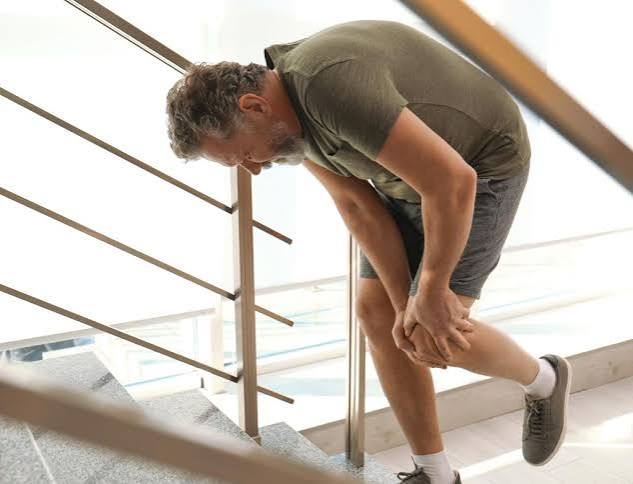
Knee pain while climbing stairs is a common problem that can affect people of different ages. You may notice pain while going upstairs, coming downstairs, squatting, standing up from a chair, or after sitting for a long time.
Although occasional knee discomfort may improve with rest, repeated or worsening pain should not be ignored. The cause can range from muscle weakness and overuse to conditions such as patellofemoral pain or knee osteoarthritis.
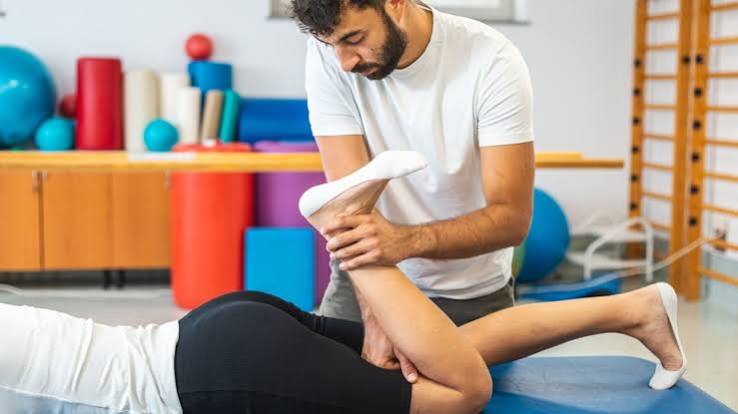
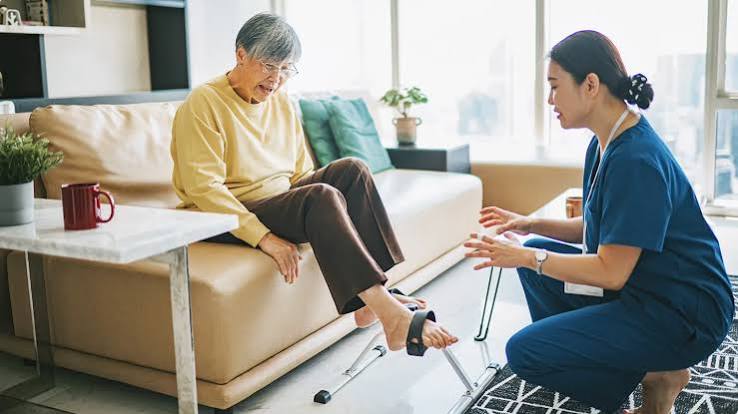
The good news is that physiotherapy can often help reduce pain, improve knee strength and mobility, and restore normal function.
Why Does My Knee Hurt While Climbing Stairs?
Climbing stairs puts considerable demand on the muscles and joints around the knee. Your quadriceps, hamstrings, gluteal muscles and calf muscles work together to control the movement.
If the knee joint or surrounding muscles are not functioning properly, stair climbing can increase stress on the knee and trigger pain.
Common causes include:
1. Patellofemoral Pain Syndrome
Pain around or behind the kneecap is commonly called patellofemoral pain. It may become worse during:
- Climbing or descending stairs
- Squatting
- Running
- Jumping
- Sitting for prolonged periods
- Getting up from a chair
Muscle weakness or poor movement control around the hip and knee can contribute to symptoms.
2. Knee Osteoarthritis
Osteoarthritis occurs when the structures within the knee gradually undergo degenerative changes. It is more common with increasing age but can also occur earlier depending on previous injuries, body weight, activity levels and other factors.
Typical symptoms include:
- Knee pain during activity
- Stiffness
- Difficulty climbing stairs
- Reduced walking tolerance
- Swelling in some cases
- Difficulty getting up from a chair
3. Quadriceps Weakness
The quadriceps muscles at the front of your thigh play an important role in controlling the knee.
Weak quadriceps can make activities such as stairs, squats and getting up from a chair more difficult.
Physiotherapy can assess muscle strength and develop an appropriate strengthening program.
4. Hip and Gluteal Muscle Weakness
The hip muscles help control the position of your leg while walking, squatting and climbing stairs.
Weakness or poor control around the hip can affect knee movement and may contribute to pain in some people.
5. Previous Knee Injury
A previous injury such as:
- ACL injury
- Meniscus injury
- Ligament injury
- Knee fracture
- Patellar injury
may affect knee movement and strength even after the initial injury has healed.
Proper rehabilitation is important for restoring strength, balance and function.
6. Overuse
Suddenly increasing activities such as walking, running, gym workouts or stair climbing can overload tissues around the knee.
This can result in pain, stiffness or irritation.
Why Is Going Downstairs Sometimes More Painful?
Many people notice that descending stairs hurts more than going upstairs.
This is because the muscles around your knee need to work eccentrically to control your body as you lower your weight.
If there is weakness, poor movement control or an underlying knee problem, this increased demand can aggravate symptoms.
How Can Physiotherapy Help Knee Pain?
Physiotherapy treatment depends on the cause, severity and individual needs of the patient.
A physiotherapist may begin with a detailed assessment of:
- Knee movement
- Muscle strength
- Hip strength
- Balance
- Walking pattern
- Squatting technique
-
Stair-climbing mechanics
Need Professional Physiotherapy?
Book an appointment with Neuro Spark Center today and begin your recovery with our experienced specialists.
Book Appointment