A stroke can suddenly affect movement, balance, speech, memory, and the ability to perform everyday activities. Stroke rehabilitation is the process of helping a person regain as much function and independence as possible after a stroke.
Recovery is different for everyone, but with the right rehabilitation program, consistent practice, and support, many people can make meaningful improvements.
What Is Stroke Rehabilitation?
Stroke rehabilitation is a multidisciplinary approach that focuses on restoring lost abilities and helping the person adapt to any lasting difficulties.
It may include:
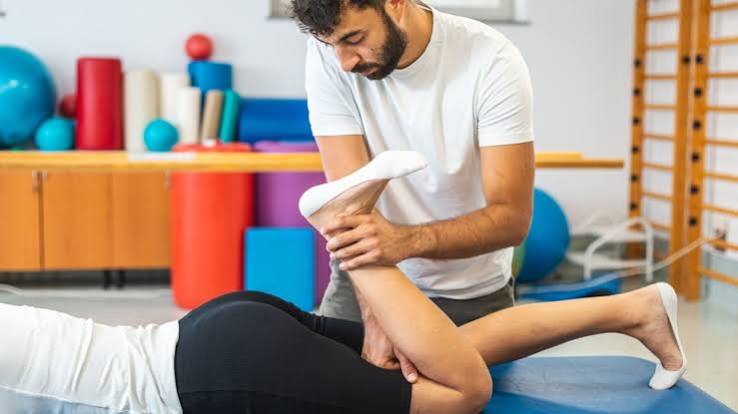
- Physiotherapy: Improving strength, balance, walking, coordination, and mobility.
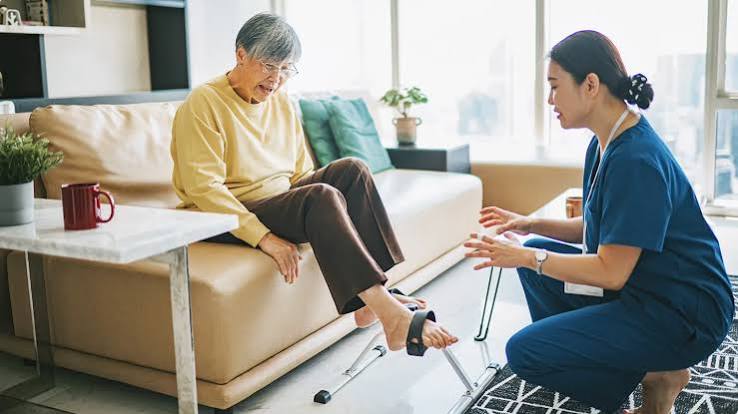
- Occupational therapy: Training for activities such as dressing, bathing, eating, and household tasks.
- Speech and language therapy: Addressing speech, communication, swallowing, and language difficulties.
- Cognitive rehabilitation: Helping with memory, attention, problem-solving, and planning.
- Psychological support: Managing emotional changes, anxiety, depression, and adjustment after stroke.
- Family and caregiver education: Teaching safe ways to assist with mobility and daily activities.
The Main Goals of Rehabilitation
A personalized stroke rehabilitation program may aim to:
- Improve muscle strength and control.
- Restore balance and coordination.
- Improve walking and functional mobility.
- Reduce the risk of falls.
- Improve use of the affected arm and hand.
- Regain independence in daily activities.
- Improve communication and swallowing when affected.
- Build confidence and participation in everyday life.
Physiotherapy After Stroke
Physiotherapy plays an important role in helping survivors regain movement and independence.
A physiotherapist may use:
1. Bed mobility training
Practicing rolling, sitting up, and moving safely between positions.
2. Sitting and standing exercises
Improving trunk control, weight shifting, and postural stability.
3. Balance training
Progressively challenging balance in safe positions and during movement.
4. Walking rehabilitation
Working on standing, stepping, gait pattern, endurance, and safe use of walking aids when necessary.
5. Arm and hand rehabilitation
Task-specific exercises can help improve reaching, grasping, and functional use of the affected arm.
6. Functional training
Rather than focusing only on isolated exercises, rehabilitation often incorporates meaningful activities such as getting out of a chair, walking to the bathroom, or reaching for objects.
Recovery Takes Time
Stroke recovery doesn't follow a fixed timetable. Some people experience rapid improvements early on, while others continue making progress for months or longer.
Consistency is extremely important. Small improvements—standing a little longer, taking an extra step, using the affected hand more effectively—can add up to significant functional gains over time.
Share this Article
Need Professional Physiotherapy?
Book an appointment with Neuro Spark Center today and begin your recovery with our experienced specialists.
Book Appointment